Evidence, tools and publications from fifty years of systems work – built for you to use.
This report outlines how projects were identified, assessed, and mapped using technical, financial, social, and environmental criteria, and highlights major gaps—especially limited private, climate, and blended...
A working paper that is going beyond the technical to transform systems and lives
An overview of the key principles and vital role of coordinated water, sanitation and hygiene systems strengthening in achieving Sustainable Development Goal 6.
A brief case study outlining Vanuatu's experience of securing funding from GCF
The evidence base Riva was built on. Research and publications from our years as IRC.
100 results
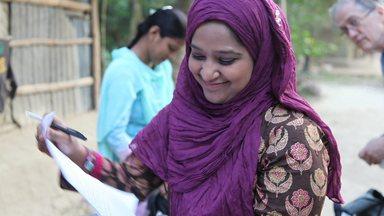
Learning paper on monitoring WASH systems strengthening and change, drawing on six-country WASH Systems for Health experience.
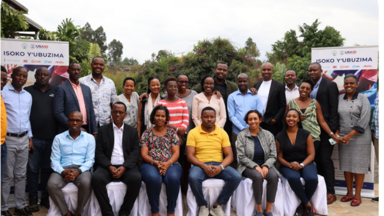
This paper was developed as part of the Isoko y’Ubuzima project, which has supported efforts to strengthen WASH systems in Rwanda through collaboration across national, district, and community levels. It reflect...
Transition pathways to safely managed water and sanitation services for different settings.
How systems approaches drive sustainable improvements in water, sanitation and hygiene in healthcare facilities.
Tool designed to capture the discussion and documenting the results of the WASH Systems Index.

WASH sector and banking leaders unite to unlock sustainable financing
A Delphi study identifying priority research questions to strengthen WASH systems and evidence-based decision-making
Paper documenting 15th Finance Commission fund allocation and use for water and sanitation in Odisha, India, informing 16th Commission recommendations.
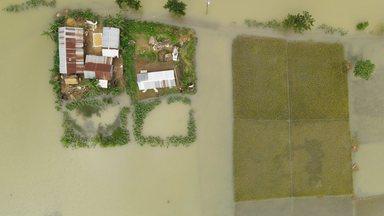
Assessment of existing water, sanitation and hygiene service models in climate-vulnerable areas of Bangladesh, highlighting needs for adaptation and innovation.
Case study on carbon-market climate finance for water and sanitation, its limited scale so far, and growth potential in East Africa
An advocacy brief for governments and partners
Updates on progress, stories and ambitions from the Safe Water Strategy in Ethiopia, Ghana and Uganda.
Updates on progress, stories and ambitions from the Safe Water Strategy in Burkina Faso, Mali and Niger.
This report outlines how projects were identified, assessed, and mapped using technical, financial, social, and environmental criteria. It highlights major gaps—especially limited private, climate, and blended f...
Paper proposing a strategic framework for WASH system transformation centred on building financial credibility across governance, regulation and operations
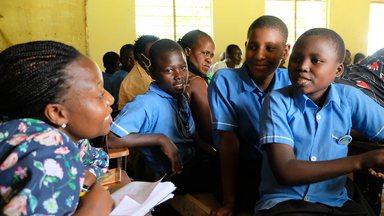
Photovoice stories of gender, social inclusion and local solutions in water, sanitation and hygiene from Ugandan schools.
Briefing note on urgent need for increased investment and smarter financial strategies to strengthen WASH systems
A briefing note that challenges us to rethink evaluation in WASH systems strengthening programmes
A practical reflection on replicating the Asutifi North district approach to achieving universal water, sanitation and hygiene coverage at scale in Ghana.
A collection of stories and reflections from Ghana, highlighting ongoing reforms and sector perspectives.
Case study on developing coordinated WASH finance strategies to close the sector funding gap, drawing on Malawi and Rwanda experiences
A Thematic Overview Paper of regulatory models and guidance for water and sanitation across service delivery contexts.
Learners, government, and partners convene in Uganda to advance safe sanitation, hygiene, and climate-resilient WASH in schools.
This study seeks to understand the implications of Community Water and Sanitation Agency's changing role as a water utility service provider
An analysis of Ethiopia’s evolving policies and regulatory frameworks for rural water scheme operation and maintenance
An examination of the Community Water and Sanitation Agency’s evolving role as a water utility service provider in rural Ghana.
A tool to map complex systems, understand relationships, and uncover opportunities for meaningful, lasting change
Whether you're working in health, education, climate, water or sanitation, your role in shaping strong public services that serve both people and planet is vital.
A case study snapshot how Vanuatu accessed Green Climate Fund finance for improved water security.
This is snapshot shows how nature-based solutions can be cost-effective alternatives to conventional infrastructure.
Case study highlighting how the analysis on sector financial flows over the long term have led to better understanding and action on sector funding and financing levels.
Strategy for financing rural and urban sanitation targets in Cambodia by 2030
Development of sustainable, utility-led water, sanitation and hygiene services for refugee and host communities in Ethiopia and Uganda.
A summary of progress and lessons from USAID Transform WASH’s market-based sanitation initiative in Ethiopia, focusing on expanding affordable water, sanitation and hygiene products and services.
A background paper to the All Systems Connect International Symposium 2023
Key strengths, weaknesses and opportunities for water, sanitation and hygiene systems strengthening in Uganda from the 2021 National Assessment.
Insights and actions from global changemakers accelerating progress towards safe, sustainable water, sanitation and hygiene as a gateway to justice.
Updated protocol for smart, targeted sanitation subsidies to achieve universal access in Ethiopia
A study exploring payment modalities and cost contributions in Netherlands Enterprise Agency-supported public-private partnerships for water supply projects.
Findings on water infrastructure and services in Western Ghana supporting sector strengthening.
A paper presenting our lessons from IRC Ghana acting as a 'hub' to support collective action in the Asutifi North District of Ghana
A guide to developing water, sanitation and hygiene finance strategies for governments and sector experts in developing and transition countries.
An analysis of Ethiopia’s slow progress towards water, sanitation and hygiene targets, highlighting the urgent need for sustainable finance, better monitoring, and innovative approaches.
System dynamics modeling of resource allocations toward rural water supply maintenance in East Africa
A new approach using emotional responses to assess water security among Ethiopia’s pastoralists, revealing vulnerabilities and opportunities for improvement
Priorities and strategies for safely managed water, sanitation and hygiene in Africa, focusing on vulnerable groups and SDG 6. Based on a discussion convened by IRC for the Conrad N. Hilton Foundation in 2021
System strengthening of water, sanitation and hygiene systems is climate action and they must be a core component of climate financing and adaptation strategies.
Guide to improve public services like water and sanitation through multi-stakeholder collective action and action research
The Empowerment in Water, Sanitation and Hygiene Index measures agency, participation and gender equality outcomes of sector interventions.
An learning note on challenges and growth opportunities for private sector water, sanitation and hygiene enterprises in Ethiopia.
Assessment of gender equality and social inclusion in Ethiopia’s water, sanitation and hygiene sector, highlighting opportunities and barriers for inclusive services.
Guidelines for implementing water, sanitation and hygiene systems strengthening at district level using the woreda-wide approach.
An analysis of the costs, funding gaps, and sustainability challenges of providing water, sanitation and hygiene services to schools in Addis Ababa through the WISE project.
Accountability mechanisms for reaching water, sanitation and hygiene Sustainable Development Goal 6, based on a 25-country review.
A national strategy to advance menstrual hygiene management across sectors in Bangladesh.
Lessons and progress from collective action for safe water, sanitation and hygiene in partner districts of six African countries.
A position paper outlining the piloting and results of district-level long-term strategic planning for WASH services in Amhara, Ethiopia.
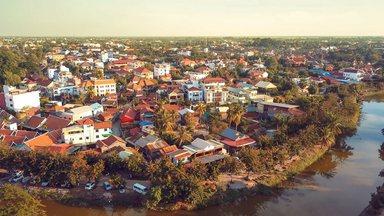
An overview of Uganda’s efforts to modernise rural water supply through collaborative learning alliances and action research.

A source book examining the role of self-supply in urban and rural water provision, and the impact of recognising and supporting household-led initiatives.
An assessment of multi-stakeholder collaboration and mutual accountability in water, sanitation and hygiene partnerships across six countries.
A study on the concept and success factors of mutual accountability for water, sanitation and hygiene partnerships.
A video introducing systems agents working to realise universal access to clean water, sanitation, and hygiene.
Findings and recommendations from IRC’s first Justice, Equity, Diversity and Inclusion (JEDI) performance review.
A global assessment of national public development banks’ involvement in financing water, sanitation and hygiene sector investments.
An exploration of pathways for utilitisation of rural water supply, the driving factors, strengths and weaknesses of utility-managed models, and key areas where support is needed.
Summary of a webinar on water resource management for water security in India.
A summary of financing approaches and challenges in improving access to water, sanitation and hygiene.
Between 2017 and 2019, the District-Wide Approach for water and sanitation services was piloted in five districts in Rwanda.
Highlights from a cross-sector study on changes in civic space for governance in Kajiado County since 2016.
Key concepts and principles of citywide inclusive sanitation for equitable, sustainable urban services.
A guide for policy-makers on strategies for sustainable financing of small-scale water supply and sanitation systems in the pan-European region.
Overview of institutions and coordination for rural water supply and security in Odisha and Bihar, India.
A study on the financial sustainability and legitimacy of CSO network organisations in water, sanitation and hygiene.
A review of systems approaches and evaluation methods for strengthening water, sanitation and hygiene services in low income settings.
A study of Uganda’s shift from community-managed point sources to professionally managed utilities for drinking water services, focusing on service models and sector consolidation.
Introducing systems agents advancing universal water, sanitation and hygiene access, and highlighting the role of political leadership.
An assessment of progress in implementing the Asutifi North District WASH master plan since 2018, highlighting key activities and outcomes.
An Excel tool for assessing the status of building blocks to deliver water, sanitation and hygiene services in schools or health care facilities.
A handbook for finance ministers, offering case studies and strategies to close the water and sanitation financing gap worldwide.
A keynote on integrity, transparency and anti-corruption in water, sanitation and hygiene systems.
An overview of the UDUMA model, an innovative private sector-led approach to delivering and financing sustainable rural water, sanitation and hygiene services in sub-Saharan Africa.
A position paper on strengthening government-led WASH monitoring systems, capacities and processes in Ethiopia.
Learning alliances and change hubs as practical approaches for strengthening water, sanitation and hygiene systems.
This working paper unpacks what is meant by the enabling environment for finance in WASH and presents real examples of how these bottlenecks are being overcome by innovators in the sector.
An overview of rural water service delivery models in Ethiopia, highlighting infrastructure, management arrangements, levels of service, and recommendations for achieving Sustainable Development Goal target 6.1.
An annotated bibliography of publications on learning alliances in water, sanitation and hygiene.
This working paper sets out to understand the WASH system and its building blocks
A compendium of business models for resource recovery and reuse from waste in water, sanitation and hygiene.
Significant numbers of households gained access to self-constructed basic latrines in rural areas after the Ministry of Health introduced Community Led Total Sanitation and Hygiene. Most of these latrines fall s...
Journal article revealing the gap between reported WASH coverage and actual service quality in small-town Ethiopia
Book presenting the state of the art in monitoring sustainable water, sanitation and hygiene services in developing countries, for WASH policymakers and researchers.
An overview of challenges in rural water supply and actions needed for sustainable, universal access.
riefing note explaining the WASHCost life-cycle cost approach for comparing and reporting WASH service delivery expenditures
A synthesis of lessons from three decades of rural water supply investment and evolving management approaches in developing countries
Case studies showing how multi-purpose water supply supports sustainable livelihoods and poverty reduction.
Overview of productive uses and mixed purposes of water supply for household livelihoods in developing countries
Sanitation and faecal waste management challenges, regulations, and solutions for Bhutan’s vision of universal improved sanitation