Resources
Journal
Home
Resources
Journal
We're here to help nation builders turn today's challenges into public services that last for generations.

Riva Amplify newsletter

Stay in touch. Keep up to date with our resources, work and how we can help you.

About us
  • We can help
  • Who we are
  • Our approach
Our network
  • Riva Members
  • Riva Hubs
Resources
  • Riva publications
  • Project publications
  • Academic publications
  • Events and training
  • Policies and strategies
  • Visual resources
Academy
  • About
  • Our courses
  • Register
  • Contact
Journal
  • Articles
  • Change stories
  • Impact stories
  • News
  • Events

Riva Amplify newsletter

Stay in touch. Keep up to date with our resources, work and how we can help you.

Jobs|Policies|Annual reports|Contact Riva
© Riva 2026 | Stichting Riva is rgistered in the Netherlands under KVK number 99016494
Substack|LinkedIn
Back to Resources
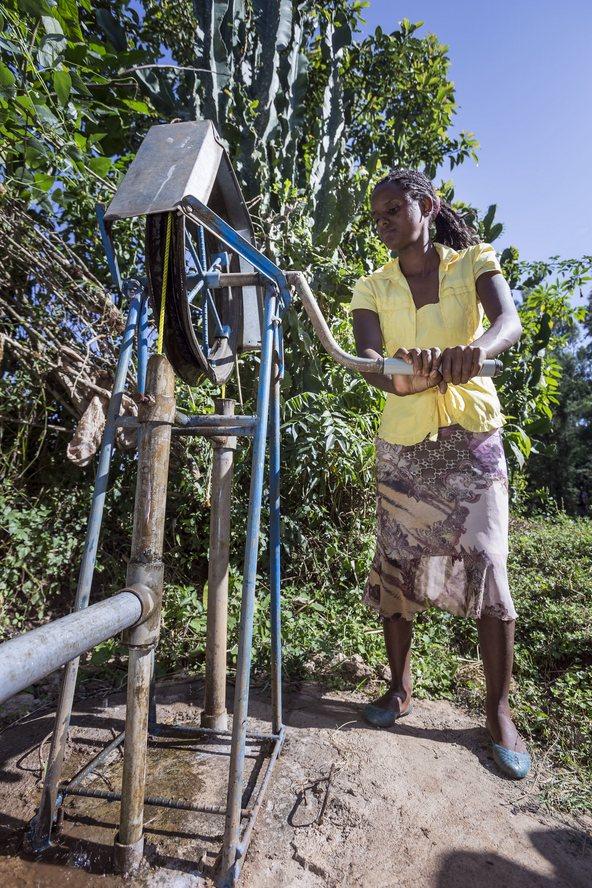
Woman fetching water with a rope pump at the compound of her home in Ethiopia

Book

Self-supply: filling the gaps in public water supply provision

Filling the gaps in public water supply provision

A source book examining the role of self-supply in urban and rural water provision, and the impact of recognising and supporting household-led initiatives.

Authors
John Butterworth|Sally Sutton
Resource type
Book
Location
International
Year
2021
Theme
Professionalisation
Tags
water supply|self-supply
Publisher
Practical Action Publishing
Publication place
Rugby
DOI
https://dx.doi.org/10.3362/9781780448190

This source book highlights the magnitude of the contribution of self-supply to urban and rural water provision world-wide, and the gains that are possible when governments recognise and support household-led supply development and up-grading. With limited public finances in low- (and many middle-) income countries, self-supply can fill gaps in public provision, especially amongst low-density rural populations. The book focuses on sub-Saharan Africa as the region with the greatest predicted shortfall in achieving the 2030 Sustainable Development Goal for water. Case study examples from Thailand, Zimbabwe, Tanzania and Zambia are included, as well as from Scotland and the Danube region.

The copyright of the documents on this site remains with the original publishers. The documents may therefore not be redistributed commercially without the permission of the original publishers.