Change Story
From treating diseases to tackling causes: water and health as one
In Upper Denkyira East, treating disease wasn't enough — access to water and sanitation prevents it
In Upper Denkyira East, health workers were treating diseases they knew how to manage. The harder challenge was preventing those diseases from returning.
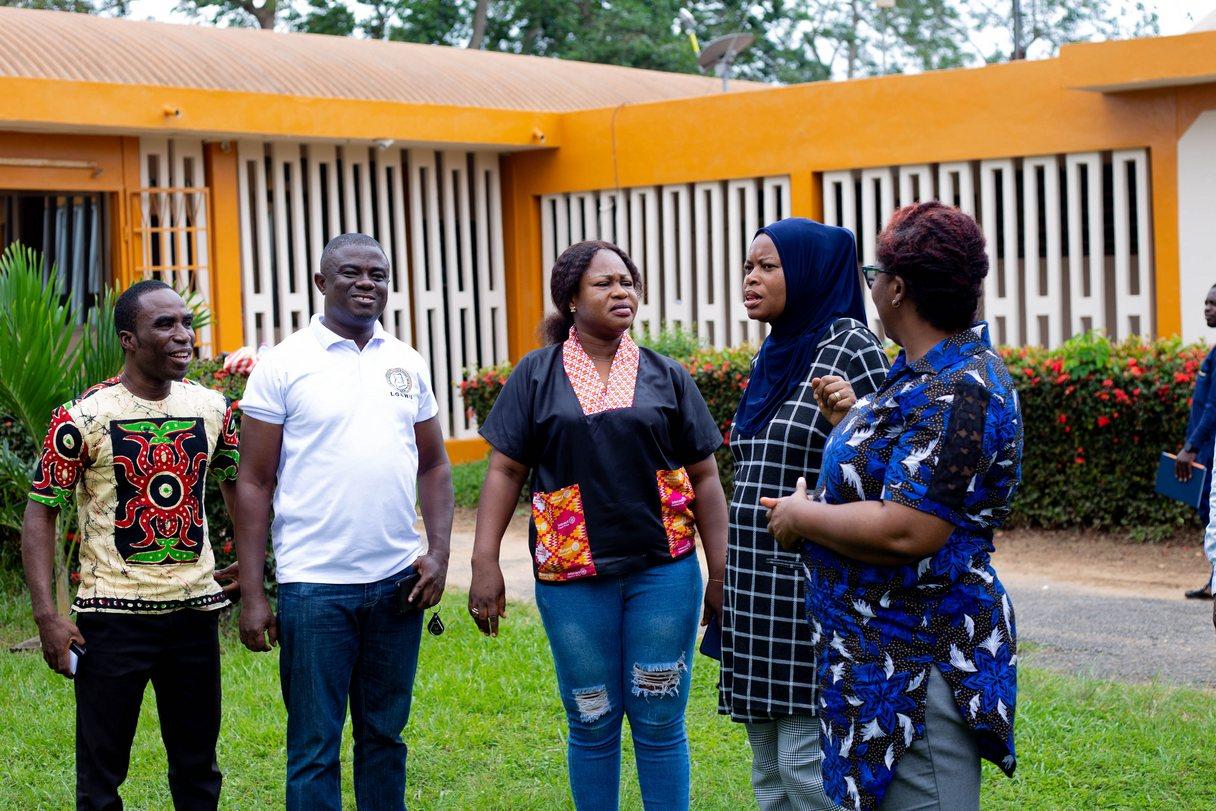
In Upper Denkyira East, health workers were treating diseases they knew how to manage. The harder challenge was preventing those diseases from returning. A health worker in Imbraim CHPS Compound remembers when patients with skin diseases arrived at the facility and there was no water to wash their wounds. Some cases had to be referred elsewhere. For the Municipal Chief Executive, the Municipal Health Director and their teams, these experiences highlighted a deeper issue: poor health outcomes and poor access to water and sanitation were closely linked.
The bigger picture
Upper Denkyira East is home to more than 110,000 people. In 2021, only 10% of residents had access to safely managed water and sanitation services, while 31 communities were affected by skin-related neglected tropical diseases.
Health teams were working to treat diseases, while water and sanitation teams focused on expanding services. Yet many of the same communities continued to face both poor water access and persistent illness. Local leaders increasingly recognised that these as one problem, not two.
How we worked
The turning point came during the development of the Municipal Water, Sanitation and Neglected Tropical Diseases Master Plan.
As municipal leaders reviewed the evidence together, they noticed a clear pattern: communities most affected by disease were often the same communities struggling to access safe water. For Hon. Ebenezer Forson Appiah, then Municipal Chief Executive, this meant planning around the connections between water, health and development – rather than responding to each separately.
Working with the Municipal Assembly, Municipal Health Directorate and other partners, we helped develop an integrated master plan that aligned priorities and focused resources where they were most needed.
“The challenge is rarely that people don't know what needs to be done. The challenge is getting different parts of the system to work together well enough to make it happen.”
Veronica Ayi-Bonte, Riva Ghana Programme Manager
The result was a shared framework that helped local institutions coordinate action and prioritise communities where poor water access and disease overlapped.
One of those communities was Yirepe.
For years, residents relied on a stream shared with animals. Skin infections were common, and many children spent time fetching water instead of attending school.
As the master plan moved into implementation, Yirepe was prioritised among other communities and healthcare facilities for improved water services. For the first time, residents had a reliable source of clean water close to home. The community also established a water committee and began saving towards maintenance.
Abraham Tetteh, Headteacher of Yirepe M/A Basic School, said: “This water has truly saved Yirepe. It's close to the school and benefits the pupils, teachers and the entire community.”
Health workers have also seen the impact: “Since the people started using the new water facility, the situation has greatly improved. Now we hardly record even one case.”
What changed
The most important change was a different way of understanding the problem.
The master plan brought water, health and local development into a single planning process, prioritising communities with the greatest need, and local institutions began working from a shared evidence base.
Communities such as Yirepe now have safer access to water, while health workers and local leaders are better placed to prevent and respond to diseases.
A municipality where a child is free of disease, a woman is free of the backbreaking chore of fetching water, and a girl is free to attend school without fear.”
Hon. Ebenezer Forson Appiah
What's next
The work is far from finished. Many communities still require improved services and sustained investment. And the lesson learned needs to extend beyond Upper Denkyira East. Clean water improves health, but the bigger insight is that local leaders achieve more when they tackle interconnected challenges together rather than in isolation.