Change Story
Training for essential services, built into the system that’s already there
Union Parishads are Bangladesh's the tier of elected local government that’s closest to citizens, and the one responsible for keeping local water and sanitation services running. The policies and funding mechanisms exist. What's often missing is training to do the job.

The bigger picture
Across Asia, governments have committed to better water and sanitation services. Many still face the same problem: local institutions are expected to deliver increasingly complex services without always having had the training to do it.
Local government is usually best placed to understand community needs and respond quickly – but only if it has the skills to act. Where training is missing, national ambition and local reality drift apart.
BRAC
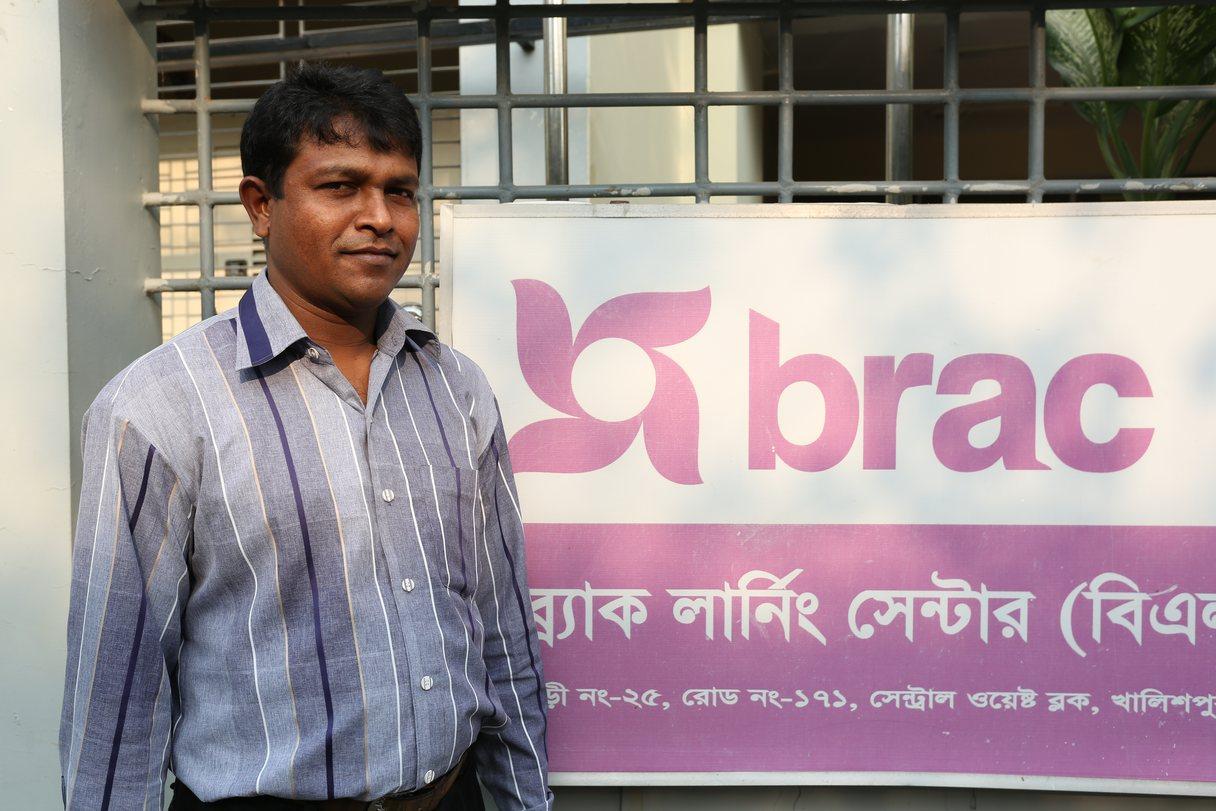
In Bangladesh, we partnered with the National Institute of Local Government (NILG), the government's main training body for local government representatives and staff. Together with BRAC, the world’s largest non-governmental development organisation, we designed a new training module to help Union Parishad (UP) representatives strengthen water and sanitation services, particularly for poorer and more vulnerable communities.
“NILG is the mandated national institute for capacity building of the local government institutes in Bangladesh,” said Mr Kayesuzzaman, Director of Training, NILG. BRAC and Riva have wisely come to us for their mission to build capacity of the UPs for strengthening WASH service delivery.”
Now that the training is built into the country's own system for training local leaders –it will continue to reach every new UP representative, long after our involvement ends.
Many of the elected officials who take up a Union Parishad seat arrive with real commitment to improving their community, but little training in the specifics of planning, budgeting or managing services.
Our training offers the tools to use the authority they already have: understanding their own budget lines, their own responsibilities, and what good service delivery actually requires.
The training module NILG now means that every UP representative who comes through the institute encounters water and sanitation service delivery as part of standard training. It's part of how Bangladesh trains its local government on an ongoing basis.
What's next
We're applying the same approach elsewhere. In India's Odisha state, we're working with the State Institute for Rural Development and Panchayati Raj on a similar model. In Nepal, we've helped mobilise resource persons at sub-national level to train local representatives directly in planning and financing for services.
Facing a similar gap between policy and local skills? We can help. Contact us to start the conversation.