Change Story
The standard that lets Uganda’s ministries see the same picture
One standard, one picture: helping Uganda’s institutions make smarter decisions together
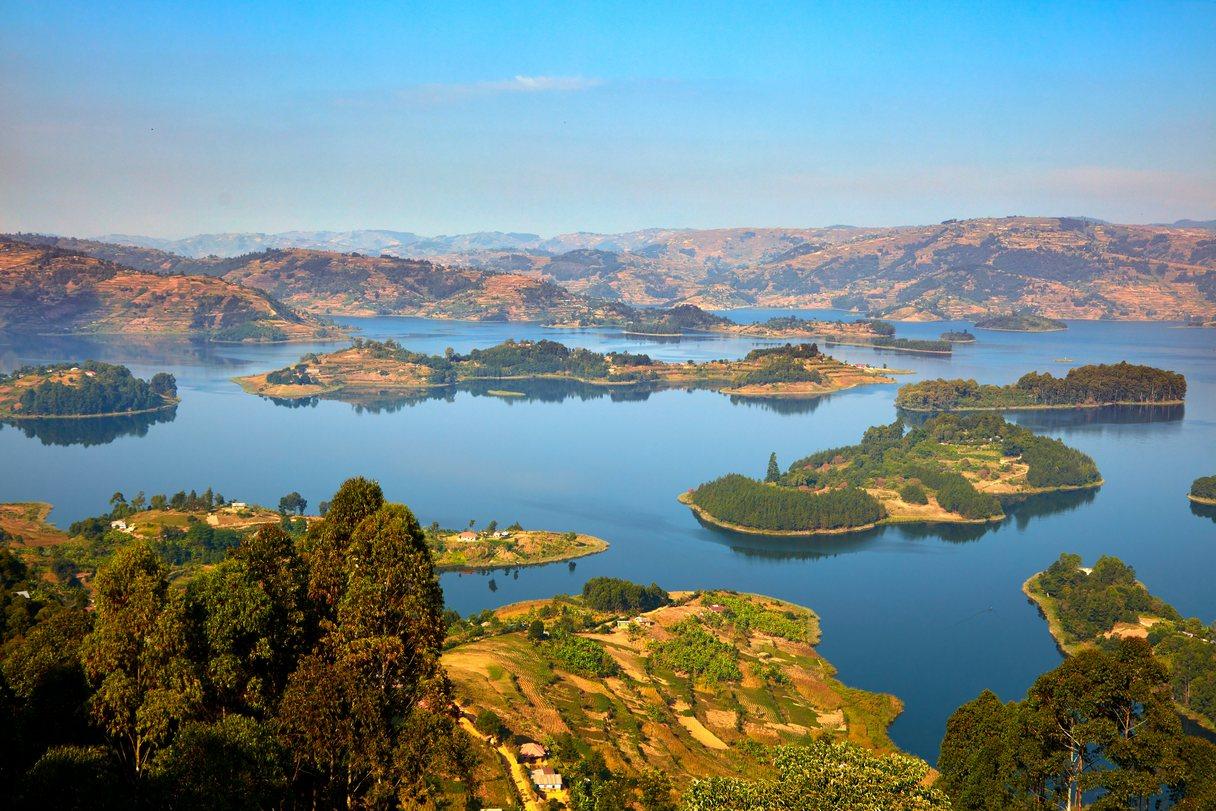
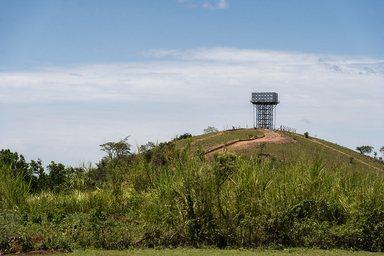
Ugandan water infrastructure
Before this, a health facility, a school and a local water office could each report ‘access’ to water and sanitation and mean three different things. Each ministry (Health, Water and Environment, Education) measured against its own framework, and the numbers rarely spoke to each other. National averages smoothed over important gaps – such as the distance between a served household and an unserved one, a refugee settlement and a city ward.
This is what happens when many mandates each do their job well, without a shared measure connecting them. Strong public systems depend on institutions that can see each other clearly and can work from the same facts.
The government, through the Ministry of Water and Environment led the process; our role was the patient work of getting different institutional definitions to reconcile
Moses Asiimwe, Monitoring, Evaluation, Accountability and Learning Officer, Riva Uganda
How we worked
Riva joined the task force for the guide to coordinate the development process alongside our partners, Water For People and Agenda for Change. The ministries in the task force covered health; education and sports; gender; labour and social development; water and environment; local government; finance, planning and economic development; as well as the Bureau of Statistics; Office of the Prime Minister; and representation from Kampala capital city authority and local government. Other partners were Uganda Water and Sanitation Network, World Health Organisation, UNICEF and UNHCR.
Moses Asiimwe, Monitoring, Evaluation, Accountability and Learning Manager at Riva says: “The government, through the Ministry of Water and Environment led the process; our role was the patient work of getting different institutional definitions to reconcile”.
At the regional dissemination of the guide in Fort Portal Tourism City, Civic Lubega, the Monitoring Officer at the Ministry of Education and Sports, watched officials from a dozen institutions work through the same set of indicators together. For him, the test of the guide was never going to be the document itself.
"The indicators should not remain in this guide," he said. "They should become part of district planning, school monitoring and the Three-Star Approach, so that we improve WASH services in learning institutions."
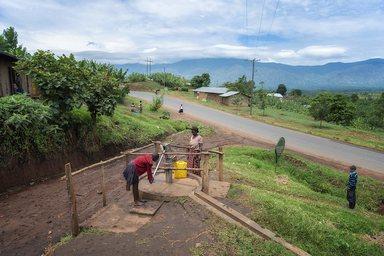
Kabarole District, Uganda
What changed
The 2025/26 national water, sanitation and hygiene performance report will be the first to be built entirely on the guide's definitions – the first time every ministry's numbers will be measured the same way, before they are compared. The Ministry of Health is now building on that shared foundation with a dedicated water, sanitation and hygiene management information system: one point of reference for data across the country. And the guide has already shaped national policy beyond monitoring: it fed into the two of the country’s climate adaptation plans.
What's next
The regional dissemination of the guide has begun in Fort Portal Tourism City, mid-western Uganda, reaching all eighteen districts under Rural Water and Sanitation Regional Centre 5. It is only the first test for the guide. The real test is still ahead: whether a shared way of counting changes what gets funded, and where.
If you'd like to talk about what it takes to get institutions counting the same thing the same way, we'd like to hear from you.