Change Story
Making health systems investable
A simple costing tool and stronger political engagement helped Mali make water and sanitation in healthcare facilities a national investment priority.
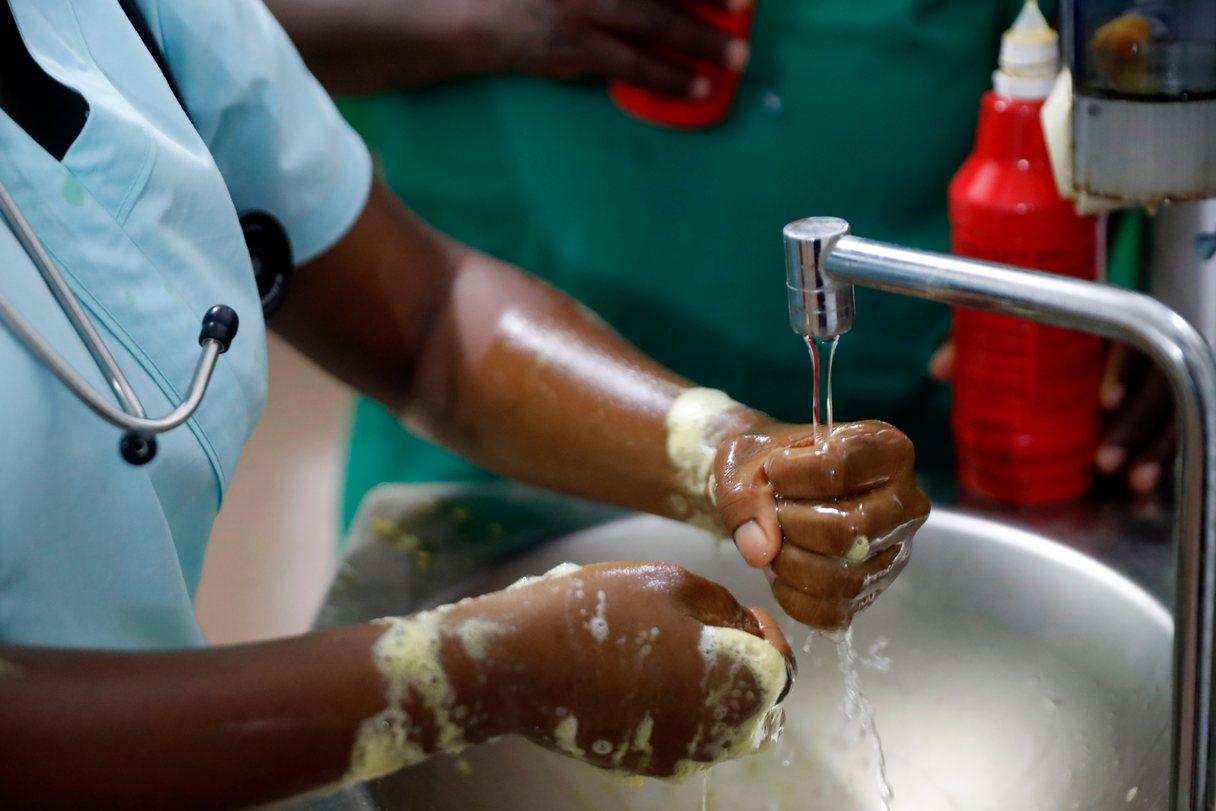
Every finance minister asks the same question when a plan lands on their desk: how much will this cost? For years, Mali's health system couldn't answer that. It had a national strategy for water, sanitation and hygiene in its health care facilities. It had standards, assessment frameworks, and a clear picture of what every facility should provide. What it didn't have was a reliable cost baseline. Or Cabinet level support. That’s now changed thanks to a pragmatic approach to costing, and a systems symposium in Ghana.
Safe water and sanitation are not optional extras in a health facility. Without them, disease spreads, maternity care is unsafe, and patients lose trust. And that’s what happens when two systems plan, budget and operate in separate silos.
Our work in Mali is grounded in a belief that runs through everything we do: sustainable public services require systems to connect – in policy, in budgets, in national institutions – in a way that lasts.
Since 2019, we’ve been part of a national task force for water and sanitation in healthcare – coordinated by Mali's Ministry of Health and bringing together development partners such as WaterAid, World Vision, Terres des Hommes, UNICEF and WHO.
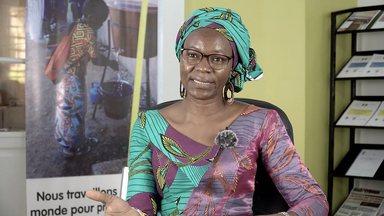
Afou Chantal Bengaly
But the work kept hitting the same wall: no reliable cost data. Afou Bengaly, Riva Mali's Strategic Advisor Riva Africa Hub, and colleagues Mohamed Kané Riva Mal country coordinator, and Sanata Théra Expert Water and Sanitation Governance, Riva Mali mapped more than 70 cost lines behind a functioning water and sanitation system in a single clinic – from pipes and toilets to staff training and maintenance. They then worked out a national average and a minimum standard that any practitioner, government official or development partner could plan against.
However, the taskforce had a structural gap at its centre. The technical lead from the Ministry of Health was present and committed. But the Cabinet – the level with real authority over policy and investment – wasn't yet represented through the minister’s advisor on environmental and water issues.
Afou spotted a leverage point: the All Systems Go Africa Symposium in Ghana in 2022. She sent an official letter to the Ministry Cabinet, then called the minister advisor directly to invite him to the event. He took some time to consider and then accepted – and he was asked to take part in a panel about water and sanitation in healthcare facilities. This mean that, before the trip, Afou was able to brief him on Mali's situation- where the country stood against its global commitment and what was at stake. Once at the event, he met counterparts from Ministries of Health across Africa, all grappling with the same challenges. It was a lightbulb moment. He finally saw that water, sanitation and health are inextricably linked, strong WASH systems make strong health systems and vice-versa.
On his return from Ghana, the Minister Advisor moved the platform's meetings to the Cabinet on quarterly basis, chaired them himself, and initiated the formalisation process of the taskforce as a permanent institution, requesting that Riva, WaterAid and World Vision to develop the terms of reference. What had been an informal working group is now an enduring part of Mali's national health architecture.
The WASH Fit costing tool is now Mali's national standard – technically validated by the National Health Directorate, applicable to every government planner and international partner, all working from the same baseline.
In Nossombougou, the shift in how health and water are now planned together is already felt
Our view of rural maternity hospitals has been transformed. They have become the symbol of our renewed commitment to the wellbeing and health of our population
Chaka Coulibaly, Mayor, Nossombougou
Mali is building something replicable – a model that creates a costed standard, and becomes investable as a result. The tool is currently being field-tested across five regions to validate costs against real conditions, before being available to governments globally.
Facing similar gaps in your health system? We can help – from mapping the problem to building the solutions with you to solve it.