Change Story
How we responded to the shift towards utilities for rural areas
How utilities are transforming rural water services for greater scale, sustainability, and impact
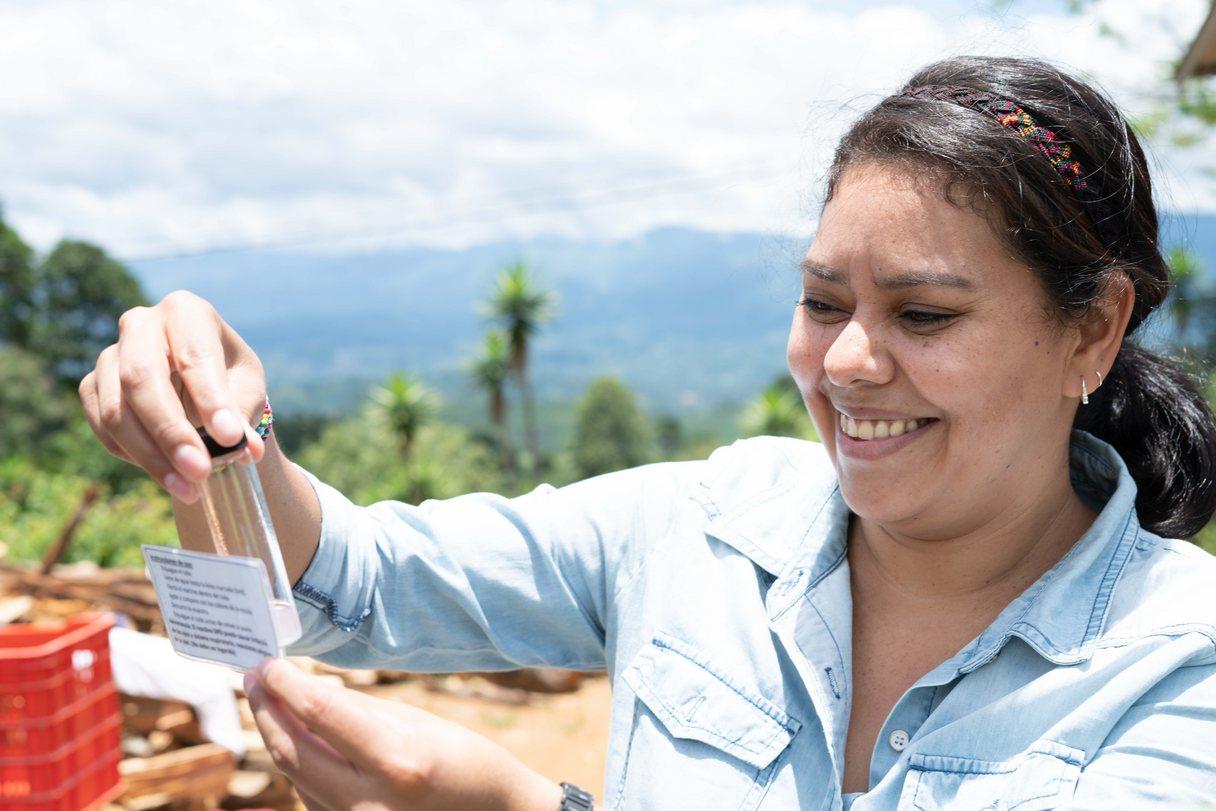
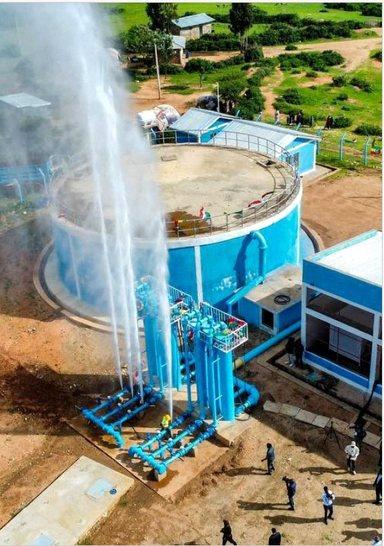
Rural utilities
How we worked
In place after place, we found that there were two essential mechanisms for change.
Firstly, helping the utility run well: for example, increasing the amount of water that the utility treats and gets paid for (through reducing the amount lost to leaks and theft, ensuring meters work, improving customer billing). Then there are other improvements like improving water quality and getting strategic planning right.
Secondly, creating an environment for utilities to thrive in: meaning working with the regulator so they have clear tariffs for billing, standards; or strengthening the policy and institutional framework. We saw both halves play out differently everywhere we looked. In Uganda, rural utilities organise themselves as umbrella bodies. In Rwanda, private operators serve rural areas under the technical supervision of the national utility. In Burkina Faso, the national utility that's always served the towns is expanding into the countryside. In Ghana, the Community Water and Sanitation Agency spent decades as a government body developing rural water supply and is now becoming a utility. Our colleagues there made a film https://www.youtube.com/watch?v=AVcbaGapxX4 about the process.
What's next
Four contexts, four different models, the same two elements underpinning them. Last year, the Global Water Operators' Partnership Alliance (GWOPA) commissioned us to bring all of this together into a single report, the Global Outlook on Water and Sanitation Providers, drawing on a literature review, case studies and interviews across the sector. Nothing in that report is ground breaking on its own. Its value is synthesis: taking what's scattered and contextual, and turning it into a pattern that a minister, a regulator or a utility director can recognise and use.
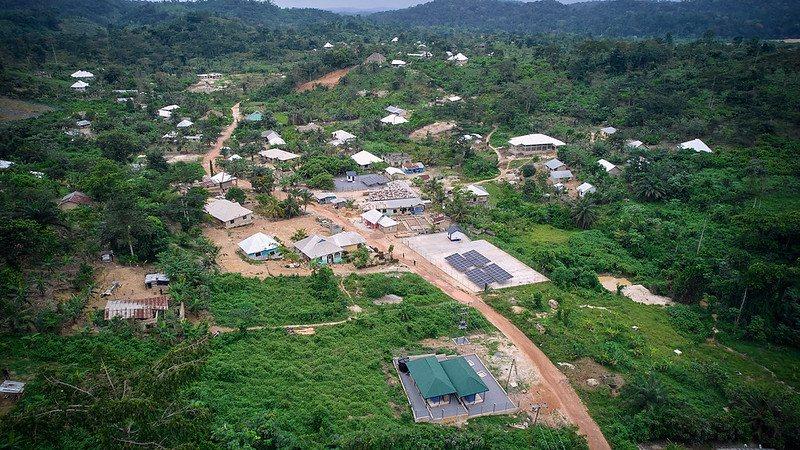
Rural utilities
And recognizing utility leadership as its own form of systems leadership, sitting between the political and the technical, has been critical.
What comes next isn't a new intervention or a neatly wrapped story of transformation. It's the same work of doing a little bit better, day by day, month by month, for years and years: the unglamorous groundwork that lets a utility survive and thrive to reach more people with better services. If this is what’s happening in your own utilities and community managed services, let’s talk and see how we can help.