Change Story
How a mayor’s plan for his town became a model for ninety-six more
How one mayor’s vision became a blueprint for water and sanitation across 96 communities

Across the three countries, the ambition for universal water and sanitation is real and national. What usually went missing was a way for a specific place to turn a country's targets into something it could deliver and pay for. Without it, investment is scattered through disconnected projects that rarely add up to a service that lasts. A plan that a local authority owns changes the terms. It tells a finance ministry, a regional directorate and an international partner the same thing: what the area needs, in what order, and who is accountable.
How we worked
Riva’s part was deliberately in the background. We brought the methods – reading where services stood, costing them, phasing the work to 2030 – and the resources for the process that a commune couldn’t have financed alone. We refined it in Banfora, then carried it across communes, regions and borders. Each time, the same approach applied: the plan belonged to the authority that would answer for it, it had to be argued through and voted on, or it changed nothing.
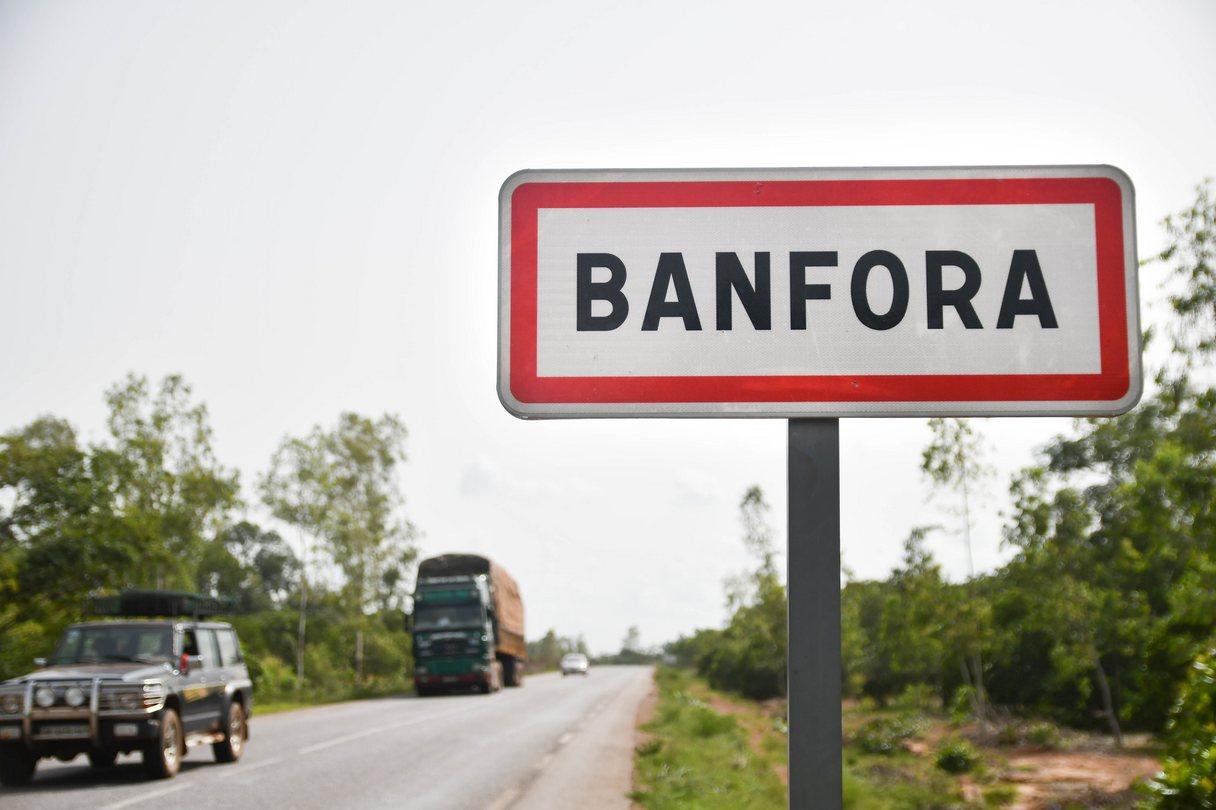
Banfora worked because Aboubacar Héma, then mayor, treated the plan as a mandate rather than a document. He knew exactly what it would cost – 17 billion CFA francs by 2030, what he called the largest investment programme in the commune's history. Rather than wait for the money, he set out to raise it. He put municipal budget behind a new water and sanitation directorate inside the town hall, so Banfora had its own people to run the plan. He carried it to every relevant ministry and to the partners working in Burkina at the time, asking each to line up behind the town’s priorities. What Héma proved is what ninety-six other mayors and regional directors chose to do next.
What changed
Within a few years, ninety-six communes across Burkina Faso, Mali and Niger had built their own costed, phased plans, and three Burkina regions extended the logic beyond municipal borders to whole territories, where systems too big for any single town become viable. These places arrived at the table with their own investment maps, local authorities, operators and communities working to one shared plan. The money followed: the European Union has committed €8 million from 2023 to 2028 to move from planning to delivery in Banfora, Koudougou and the Centre-Ouest region.
What's next
What began in one council chamber in Banfora now equips whole territories to do the same. None of it is settled. Most plans still wait to be fully financed, and turning plans into funded programmes across three countries is the harder work now in front of everyone. If you recognise the need to turn your own targets into something a financier can back, let’s talk.