Impact Story
A health post improved: The story of Gyakye CHPS
The Church of Jesus Christ of Latter-day Saints funded WASH investments to strengthen healthcare at Gyakye CHPS, empowering communities, and driving district-wide WASH progress.
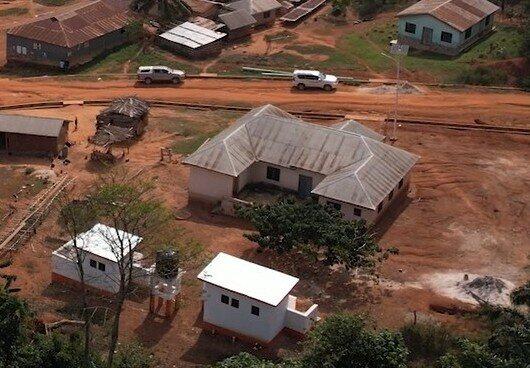
In Tano North, where farming forms the backbone of daily life, the Gyakye CHPS Compound stands as an essential point of care for thousands of people. The facility plays a vital role in managing the community's most common health concerns – malaria, skin diseases, agricultural injuries, and sexually transmitted infections. Yet for years, its ability to deliver effective care was limited by two critical challenges: a lack of clean water and inadequate sanitation.
The Challenge
Until recently, staff at the health post began their mornings not with patients, but with plastic containers and long walks. More than a kilometre separated the facility from the nearest water point. Nurses queued alongside residents for water before they could even begin their rounds. Patients needing to use a toilet had to make uncomfortable visits to nearby homes. Wounds from cutlasses, hoes, and farm machinery were cleaned slowly and often with anxiety, as clean water was never guaranteed. Healthcare delivery unfolded under difficult and undignified conditions.
This was more than an inconvenience; it was a daily reminder of the stark WASH challenges across the district. According to the Ahafo Regional WASH Masterplans, 29% of people in Tano North lacked access to basic water services, while 77% lacked basic sanitation. Many schools and health facilities, including Gyakye CHPS, fell short of essential hygiene standards. The need for change was urgent.
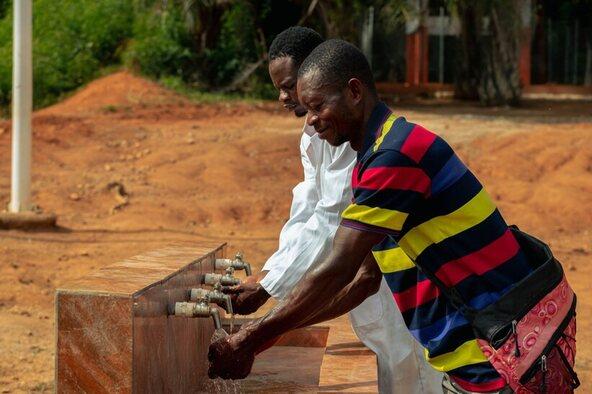
Handwashing Station at CHPS Compound
The Turning Point
Change began to show when Tano North joined the District-Wide WASH Programme, supported by The Church of Jesus Christ of Latter-day Saints. What followed was more than the installation of pipes and blocks; it was the restoration of dignity. Building on region-wide progress, the initiative focused not only on infrastructure but also on strengthening governance and long-term sustainability.
Today, water flows within the Gyakye CHPS Compound. The once familiar sight of nurses trekking long distances for water is now a memory. Wound care is safer, infection control is stronger, and patients can use clean, on-site sanitation with confidence and privacy. A limited mechanised water system, a four-seater water closet facility, and permanent handwashing stations are fully operational - with water now extended to the wider community.
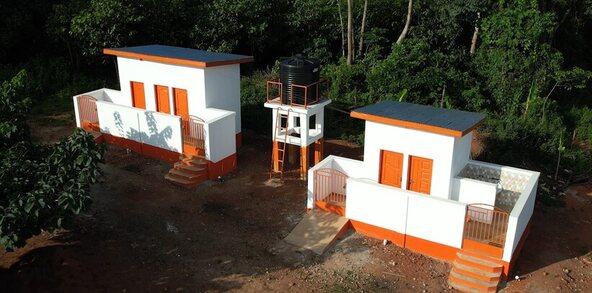
Sanitation facility at Gyakye CHPs
Empowering Communities
A maintenance committee, comprising health workers and community members, now oversees the new systems. They have created a community-led fund to ensure repairs and upkeep are timely and reliable. Under the programme, twenty-five communities have renewed their commitment to remaining open defecation free. District officials have been trained, monitoring systems strengthened, and cross district learning has helped improve the wider WASH ecosystem.
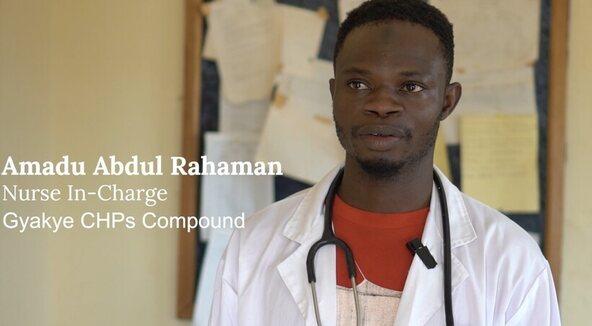
Amadu Abdul-Rahaman of Gyakye CHPs
Voices of Change
The people of Gyakye speak of these changes with relief and gratitude. Farmers describe beginning their day without the burden of walking miles for water. Children in neighbouring schools, also beneficiaries under the programme, practise handwashing with ease and consistency. Healthcare staff note improved morale and pride in providing care in a clean, well-equipped environment.
Conclusion
At Gyakye CHPS, the simple act of turning on a tap has become a symbol of progress, partnership, and hope. A limited mechanised water system may be modest technology, but for Gyakye, it has changed healthcare and the lives of an entire community. Gyakye's improvement forms part of a wider regional ambition to deliver equitable, reliable WASH services to more than 500,000 people by 2030.
The voices and lived experiences of the community are captured in this short video, offering a closer look at how water and sanitation have reshaped care at Gyakye CHPS.