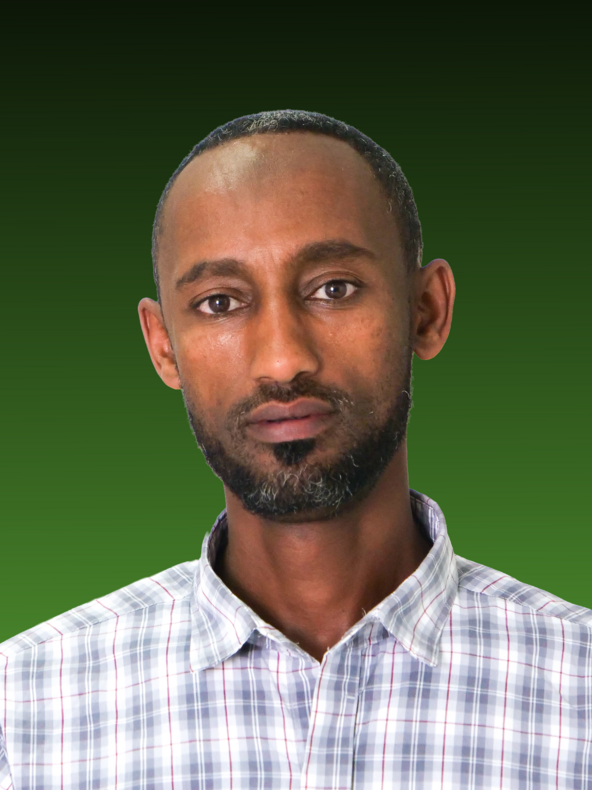
Muhammed Ebrahim Mussa is a Public Health Specialist with a background in Environmental Health Science and more than 20 years of professional experience in the water, sanitation, and hygiene (WASH) sector. Throughout his career, he has served as a WASH Systems Strengthening Officer, WASH Governance Specialist, WASH Systems Advisor, Senior Sanitation and Hygiene Specialist, Environmental Health Technician, and Assistant Lecturer, working with government institutions and development partners.
Muhammed joined IRC Ethiopia in April 2018 as a WASH Systems Advisor. Since then, he has led and supported a wide range of initiatives, including the development of Woreda WASH SDG Plans, baseline assessments and action research, City-Wide Inclusive Sanitation (CWIS), urban water utility systems strengthening, coordination and facilitation of multi-stakeholder WASH platforms, preparation of capacity-building guidelines, and the implementation of systems strengthening interventions for rural water supply service delivery. He has worked closely with government institutions, water utilities, development partners, and local stakeholders to promote evidence-based planning, strengthen governance, improve service delivery, and enhance sector learning.