Generating or perfecting data is of little value, unless it is accompanied by a clear vision and a clearly defined purpose for its use.
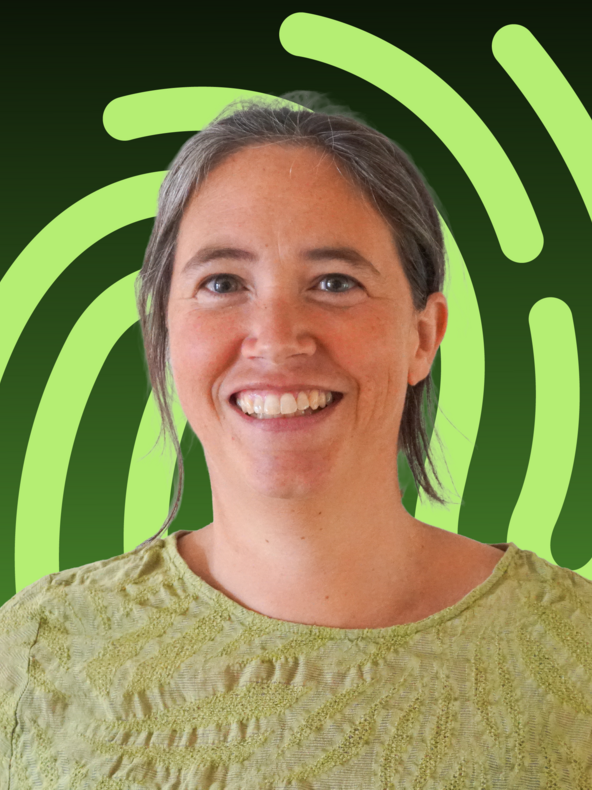
Marieke Adank, Expert, Riva the Netherlands
A researcher at heart, Marieke loves working with local and national governments, non-governmental organisations, private sector and academic institutions on identifying and addressing challenges related to the provision of public services, especially water supply and sanitation. The practical application and use of research findings, information and data is central to Marieke’s work. She has supported local governments and their partners in Ghana, Ethiopia and Rwanda, in using data to develop and implement robust master plans. Based on these experiences, and those of others, she developed a comprehensive resources base on district WASH master planning, including a Systems Academy course, which has been accessed and applied by various stakeholders. Districts and municipalities in Ghana, Ethiopia, and beyond now have and implement such plans, to ensure water and sanitation for all.
Over the years, she has played an active role in informing, facilitating and stimulating sector debate both at national and global levels. This has included the establishment of Ghana’s National Level Leaning Alliance Platform, and facilitation of the Thematic Group on Sustainable Services of the rural Water Supply Network (RWSN). In addition, she has co-authored several papers bringing together global experiences, lessons and insights on issues like small town water supply, utilitisation of rural water supply, and regulation of water and sanitation services. She has also been instrumental in developing and applying monitoring and evaluation frameworks for systems-strengthening projects and programmes, as well as strengthening sectoral monitoring systems.
Her PhD, completed at Erasmus University Rotterdam in 2026, examined the political, cultural, and institutional factors that determine whether monitoring data shape decisions and accountability. This combination of academic and practical insights sets Marieke apart and enables her to contribute to systems strengthening, transition and change processes that ensure the provision of sustainable public services for all.
Some highlights
- Years and geography: Over 23 years of experience in a great variety of countries, including Bangladesh, Ethiopia, Ghana, Mali, Peru, Uganda, Rwanda, Zimbabwe.
- Types of clients/partners: The Blue Deal Office, FCDO, USAID, UNICEF, DGIS, CNHF, Osprey Foundation, BMGF, VEI
- Flagship assignments: Managed the 1 million USD monitoring and learning part of the ONEWASH Plus project in 8 small towns in Ethiopia (2014-2020). Developed and manages a facility which provides (local) governments and its partners with access to case examples, tools, and resources for developing and implementing district master plans (2020-ongoing). Led strategic monitoring of FCDO’s WASH Systems for Health Project in six countries (2024-2026).
- Global/institutional roles: Has (co-)authored many peer-reviewed publications, including on monitoring and data use, ‘utilitisation’ of rural water supply, and regulation. Published her PhD dissertation on the use of monitoring data in early 2026.
- Languages: Dutch (mother tongue), English (fluent), French (intermediate), Spanish (basic)