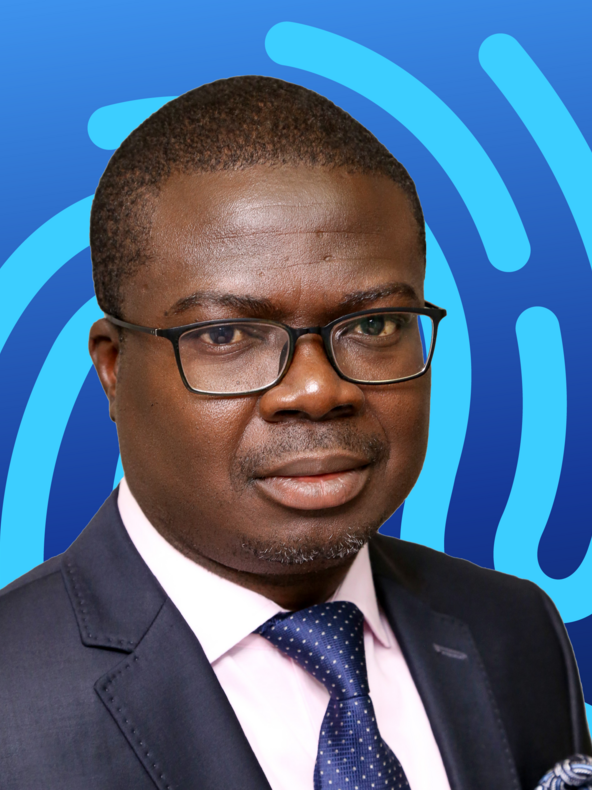
Capital does not lead transformation. It follows credibility
Juste Nansi, CEO, Riva Sahel | Director, Riva Africa
Africa’s water and public services crisis, Juste argues, is not a financing problem. It is an institutional one. Donors can build infrastructure and pay for programmes; what they cannot build is the credibility of the state that has to run them. That gap – between money spent and systems that actually work – is what he has spent twenty years closing.
Juste works with the people who carry national reform: ministers and ministry directors writing the policies; finance officials deciding what gets paid for; mayors and district teams who must deliver. He helps them turn ambition into systems that hold – sequencing reform so it survives political turnover, building the accountability that makes domestic financing credible to citizens and to development finance institutions, and connecting national strategy to what can actually be done in a commune in the Sahel. The result, when it works, is institutions that hold their shape under pressure – and finance that follows them.
What’s unusual about Juste is his ability to operate at every level. He moves between a minister’s office and a district planning meeting in the same week, and brings the same quality of attention to both. Twenty years working across Burkina Faso, Mali, Togo, Niger, Ghana, Senegal, Rwanda, Côte d’Ivoire, Benin, Ethiopia and the wider continent have given him an inside-out reading of how African public systems actually work – where they get stuck, what reform agendas miss, what makes change stick. His training in agronomy and political sociology means he reads institutions the way others read engineering drawings: as systems that either function under stress, or don’t.
A few highlights
- Director: Africa Water and Sanitation Systems Symposium – Kigali, August 2026 (convened by AMCOW and the Government of Rwanda, with continental support of the African Union Commission, facilitated by Riva Africa)
- 20+ years of systems leadership work with governments, regulators and operators across more than 20 African countries, with deep field experience in the Sahel
- National sector programmes designed and supported to strengthen institutions and build lasting delivery capacity (in Burkina Faso, Mali, Niger, Benin, Togo, Senegal, Rwanda and other countries)
- Governance and accountability frameworks and long-term service delivery plans developed across 100+ municipalities in Burkina Faso, Mali and Niger
- Strategic advisor to WHO and UNICEF – member of the independent advisory groups for JMP (Joint Monitoring Programme) and GLAAS (Global Analysis and Assessment of Sanitation and Drinking Water) since 2023
- Strategic advisor to the African Water and Sanitation Association (AfWASA) – member of the independent strategic council since 2024
- Trusted partner to the Governments of Burkina Faso, Benin, Mali, Niger and Rwanda; to AMCOW, ESAWAS, AfWASA, AfDB, AFD, the West African Development Bank (BOAD), UNICEF and WHO; the European Union Delegations in Burkina Faso and Niger; the Embassies of the Kingdom of the Netherlands in Burkina Faso, Mali, Niger and Benin; and the Conrad N. Hilton Foundation and Vitol Foundation on sector strategy and reform
- Academic foundation: PhD in Development Sociology, engineering degree in agronomy
- Working languages: French and English