News
Towards Safely Managed Water Services in Rural Ghana
Driving Progress Through a National Dialogue
The Ministry of Works, Housing and Water Resources reaffirmed Ghana's commitment to SDG 6.1 – universal and equitable access to safe and affordable drinking water by 2030.
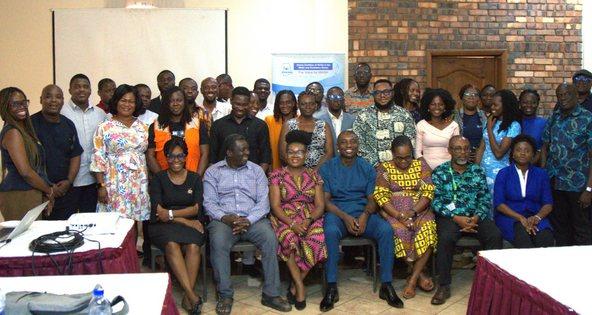
On 9 October 2025, stakeholders from across Ghana's Water, Sanitation and Hygiene (WASH) sector convened in Accra for a National Engagement organised by IRC Ghana in collaboration with the Coalition of NGOs in Water and Sanitation (CONIWAS) and supported by the Conrad N. Hilton Foundation. The event shared findings from a study on the drivers and barriers to advancing safely managed water services in rural Ghana, and fostered dialogue on policy, planning, and implementation strategies.
WASH Context
The Ministry of Works, Housing and Water Resources reaffirmed Ghana's commitment to SDG 6.1 – universal and equitable access to safe and affordable drinking water by 2030. Progress under the National Water Policy, the Ghana WASH Sector Development Programme (WSSDP), and sector reforms was highlighted. However, challenges remain in areas of water resource pollution, regulatory gaps, and inadequate financing.
The National Development Planning Commission (NDPC) noted that despite improvements in basic water access, Ghana missed its 2025 universal access target and progress on safely managed services remains slow - currently 44% (JMP 2022).
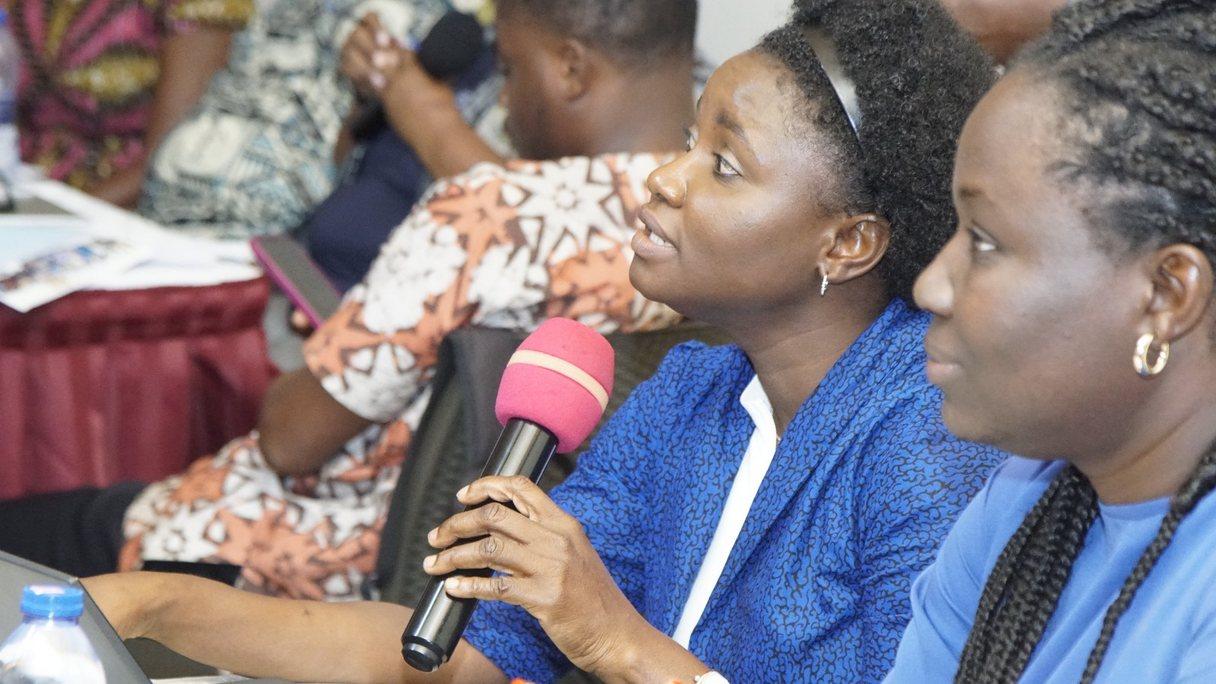
Patience Ampomah presents on behalf of NDPC
"We must contextualise reporting and strengthen WASH components in district planning. The data tells us where we are, but it's the partnerships that will determine where we go." - Patience Ampomah, Senior Planning Analyst, NDPC
Study Insights:
IRC Ghana presented findings from its study: Drivers and Barriers to Advancing Safely Managed Water Services in Rural Ghana, focusing on Asutifi North District of the Ahafo Region. Household connections rose from 5% (2017) to 16% (2024), but the district is off-track to meet its 2030 target of 30%.
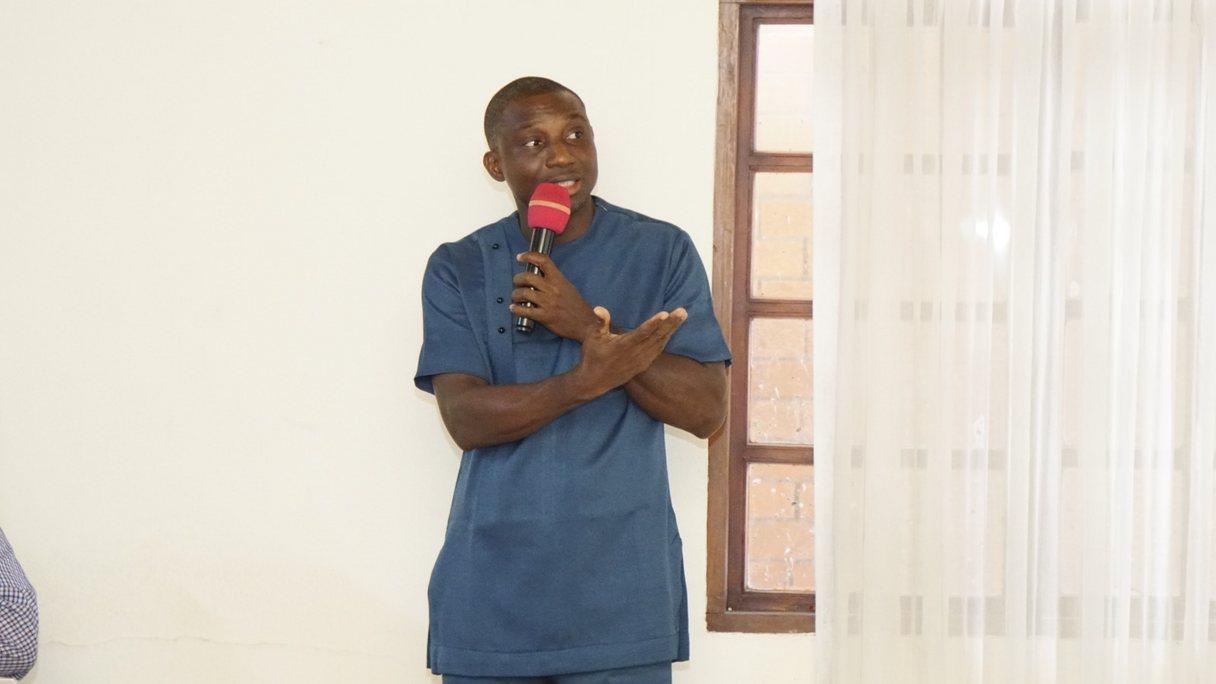
Jeremiah of IRC Ghana presenting study findings
"The rural gap is not just a statistic; it's a lived reality for thousands of families. We've seen growth, but the pace is too slow. At this rate, we won't meet our targets, we need to move faster and smarter." - Jeremiah Atengdem, IRC Ghana
Key Findings
- Policy Gaps: National policies mention safely managed services but lack operational frameworks, financing strategies, and service standards.
- Service Delivery Models: Utility-led and private models (e.g., CWSA, Safe Water Enterprises) outperform community-managed systems, which face affordability issues and weak infrastructure.
- Barriers: High upgrade costs, unreliable power supply, low-cost recovery, and weak monitoring systems.
- Drivers: Urbanisation, willingness to pay, infrastructure upgrades, and strategic partnerships.
- Recommendations: Strengthen national targets, integrate safely managed services into district plans, invest in rehabilitation, and improve monitoring and advocacy.
Stakeholder Perspectives
Interactive discussions highlighted priorities:
- Standardised targets and benchmarks for safely managed services
- Improved data systems for monitoring water quality and reliability
- Capacity building at district and provider levels
- Flexible service delivery models for rural and peri-urban areas
- National advocacy campaigns to raise awareness and demand
"We need to rethink how we support community-managed systems. Without capacity and financing, they can't deliver safely managed services." - CSO participant
Conclusion
The engagement reaffirmed the sector's commitment to moving beyond basic access and making safely managed water services the standard for all Ghanaians.
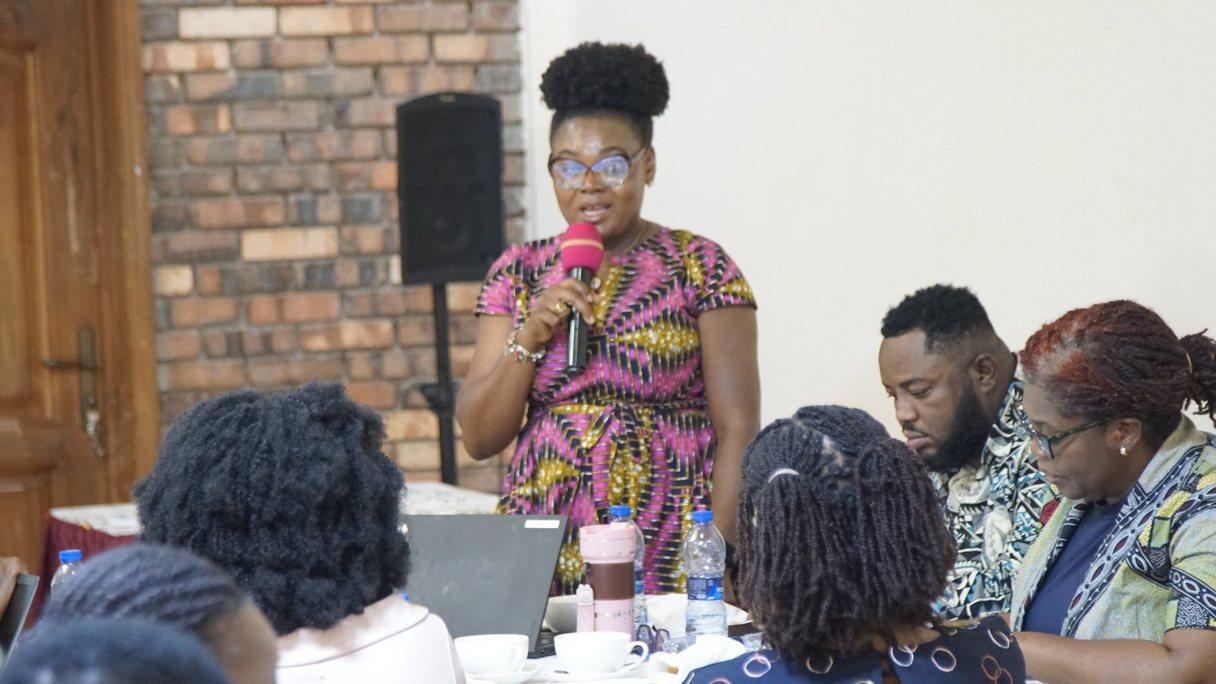
Basilia of CONIWAS presenting closing remarks
"We need to urgently move beyond basic access and make safely managed water a standard for all; this is not just about infrastructure, it's about dignity, health, and opportunity." – Basilia Nanbigne, CONIWAS Executive Secretary,
Insights gathered will inform the final study report and advocacy strategy, supporting policy uptake and implementation at both national and local levels. As Ghana continues its journey towards universal WASH services for all, collaborative platforms like this engagement remain relevant for aligning efforts, sharing knowledge, and driving impactful change.