Article
Boosting climate resilience from the ground up
WASAC staff take the lead in smarter project preparation.
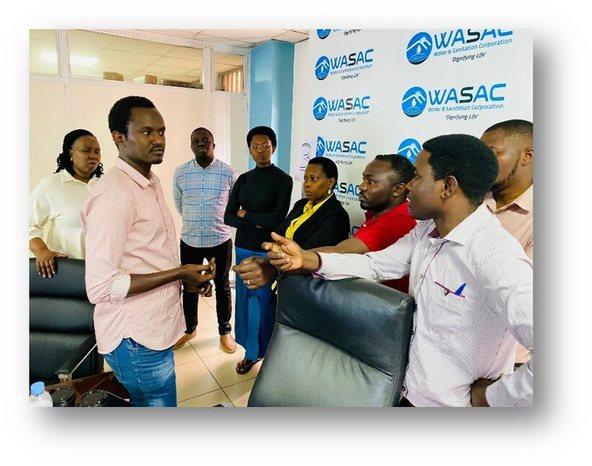
What does it take to prepare a project that's not just technically sound—but resilient to climate shocks, backed by solid evidence, and attractive to financiers? At Water and Sanitation Cooperation (WASAC), the answer is: training, teamwork, and a strong dose of hands-on learning on project preparation.
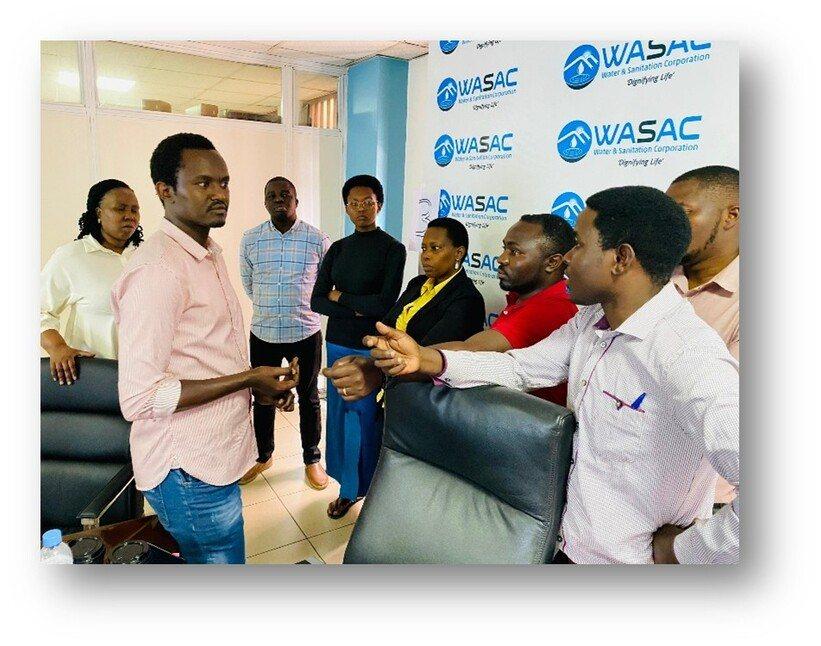
In June 2025, 28 professionals from WASAC and partner institutions came together in Kigali for the second in a series of trainings aimed at strengthening project preparation. Project preparation is a recognized gap in attracting finance. Organised by IRC and VEI and supported by Water For People, the training builds on a growing momentum: helping WASAC go beyond traditional feasibility studies, by integrating financial analysis, climate rationale, and stakeholder relevance at every step.
Why this matters
Rwanda, like many countries, is grappling with how to secure funding for climate-resilient infrastructure and services. Yet, many project proposals fall short—not because the ideas lack merit, but because they don't clearly articulate climate impacts, costs, or resilience strategies. The workshop directly tackled this gap.
Crucially, the training builds on WASAC's Climate Resilient WASH Strategy, developed in 2024. This strategy outlines eight key areas for building resilience across water and sanitation systems. One of its first priority actions—capacity strengthening of staff—was brought to life in this training, making the strategy more than just a document: it's becoming a daily practice.
From theory to practice
The sessions were fully interactive. Participants didn't just hear about climate rationale—they wrote one. They didn't just read a Terms of Reference—they rewrote it. Through exercises, role-playing, and peer reviews, they explored questions such as:
- How do you show a project's alignment with national climate goals?
- What counts as a climate-related cost vs. a traditional development cost?
- How do you make sure a feasibility study considers real climate risks, and not just standard infrastructure needs?
The group also developed a draft climate checklist, tested project concepts, and started revising an actual ToR for a sanitation project in Kimisagara. It was intense, technical work—but the energy and engagement in the room made it clear: this is where the future of climate-smart investment begins.
Blended learning for real change
What's next?
This training is part of a broader support programme that includes coaching, on-the-job support, and further sessions planned for later this year. The coaching of three WASAC colleagues has already kicked off, with regular follow-ups planned.
Feedback from participants was clear: they want more time, more local examples, and more cross-sector participation. And they're already putting the learning into action.
"Climate resilience isn't something we add at the end—it's something we need to build in from the very first concept note."
Arjen Naafs, facilitator