Article
From abandonment to pride: A tale of WASH transformation in two schools
In Ouagadougou, Burkina Faso, École Primaire Publique Tampouy F and Collège d'Enseignement Général (CEG) Somgandé faced a daily sanitation crisis: locked latrines, unreliable water, and girls hit hardest. In 2023, change came.
This is the story of how a bold experiment in delegation and collaboration turned WASH despair into a beacon of hope.
The problem beneath the surface
For years, the schools faced the same challenge: inadequate WASH infrastructure that hindered education and health. In Tampouy F, as in Somgandé, several latrines had been closed due to neglect, forcing pupils to relieve themselves in dangerous and unhealthy conditions.
The toll was clear. Girls missed school during their periods, teachers struggled with absenteeism due to illness, and parents despaired over the risks their children faced every day. It was not just a matter of broken infrastructure; it was a broken system.
A partnership for change
Enter IRC Burkina and UNICEF, with a revolutionary idea: What if schools didn’t have to manage these facilities alone? What if professional operators could ensure lasting solutions?
The concept of delegated management was introduced. Rather than relying on already stretched school staff, external service providers would handle the maintenance and operation of WASH facilities. Two schools were selected as pilots to bring this idea to life.
We knew this was an ambitious undertaking. But the stakes were too high not to try.
IRC team member
The path to renewal
The transformation began with careful groundwork. Committees of teachers, parents, and students were formed in each school to oversee the project. Their first task? To identify what needed fixing.
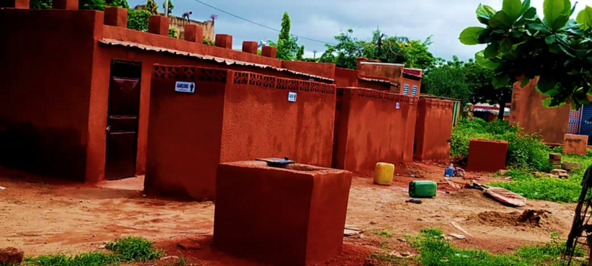
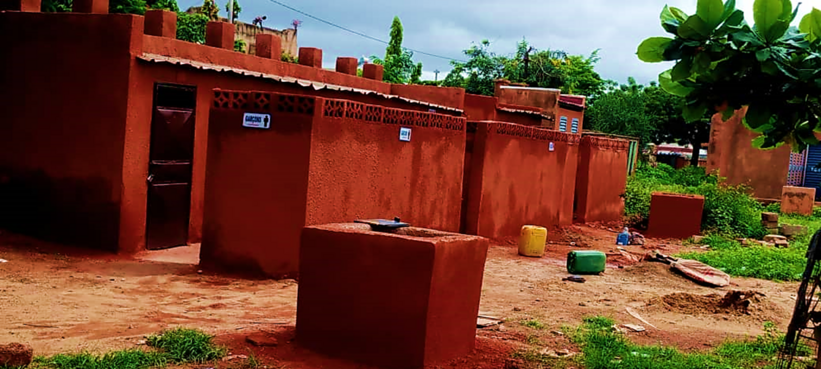
At Tampouy F, renovations focused on the latrines. Walls were repaired, new doors installed, and—most importantly—a toilet for menstrual hygiene management (MHM) was added, offering privacy and dignity for adolescent girls.
Meanwhile, at Somgandé, the priority was water access. The team extended pipelines to bring water closer to the latrines, installed handwashing stations, and built a small reservoir to ensure a backup supply.
By March, the physical transformations were complete. But the real challenge was yet to come: Could this new system be sustained?
The delegation experiment
With facilities ready, service providers were hired to take charge. At Tampouy F, a professional cleaning company stepped in, while at Somgandé, two women from the local community formed an association to take on the work.
Every day, the service providers cleaned the latrines, repaired minor damage, and ensured water was available. Their presence was a game-changer.
Having someone dedicated to this work made all the difference. The latrines went from being avoided to being a source of pride
Tampouy F Headmistress
Results beyond expectations
The impact was immediate and profound. For the first time in years, students at Somgandé had access to clean, functional latrines. Absenteeism dropped, particularly among girls, who now had a safe space during their menstrual cycles.
Teachers also felt the change.
We no longer lose valuable time searching for alternative facilities. It’s a relief to have a clean, reliable space on campus.
Tampouy F Teacher
Parents, too, noticed a difference.
My daughter talks about the handwashing stations at school and even reminds us to keep our home latrine clean.
Parent from Tampouy F school
Lessons for the future
The experiment revealed several key insights for WASH practitioners:
- The power of professional management: Delegated services brought consistency and quality that schools couldn’t achieve on their own.
- The importance of inclusive design: Facilities like the MHM toilet showed how addressing specific needs can transform the experience of vulnerable groups.
- Collaboration as a cornerstone: The active involvement of parents, teachers, and students ensured the system’s success.
But challenges remain. Financing such services sustainably is critical. Both schools relied on external funding to pilot the project, raising questions about how to scale this model across other schools.
A vision for scale
As the experiment drew to a close, the potential for expansion was clear. Could this approach be replicated in other schools? IRC and UNICEF teams believe so, but with conditions: greater investment in training, better integration of community stakeholders, and clear pathways for long-term funding (tuition fees paid by parents or public budget allocation by the government).
The success of this project is a reminder that small changes can ripple outward. When you empower schools to focus on education and let professionals handle WASH, everyone wins.
IRC Representative
A future transformed
Today, the students of Tampouy F and Somgandé walk into school with less hesitation and more hope. Their clean latrines and accessible water are proof that change is possible—and sustainable.
For WASH experts worldwide, this story offers inspiration. It’s a testament to how innovation, partnership, and persistence can turn even the most challenging environments into models of success.
The question now is: How far can we take this? How can we get the government or parents to cover these professional operating and maintenance costs?